HealyourHeel
Knowledge = Power
Knowledge = Power
Everyone likes to know the inside information This guide outlines some of the secrets to rehabilitating heel pain..
In my experience as a Podiatrist I am continually surprised the number of therapists who don’t understand the healing process and who are biased towards giving you treatments that only increase their bottom lines…
Did you know there are many reasons you might have heel pain!!!!!!!
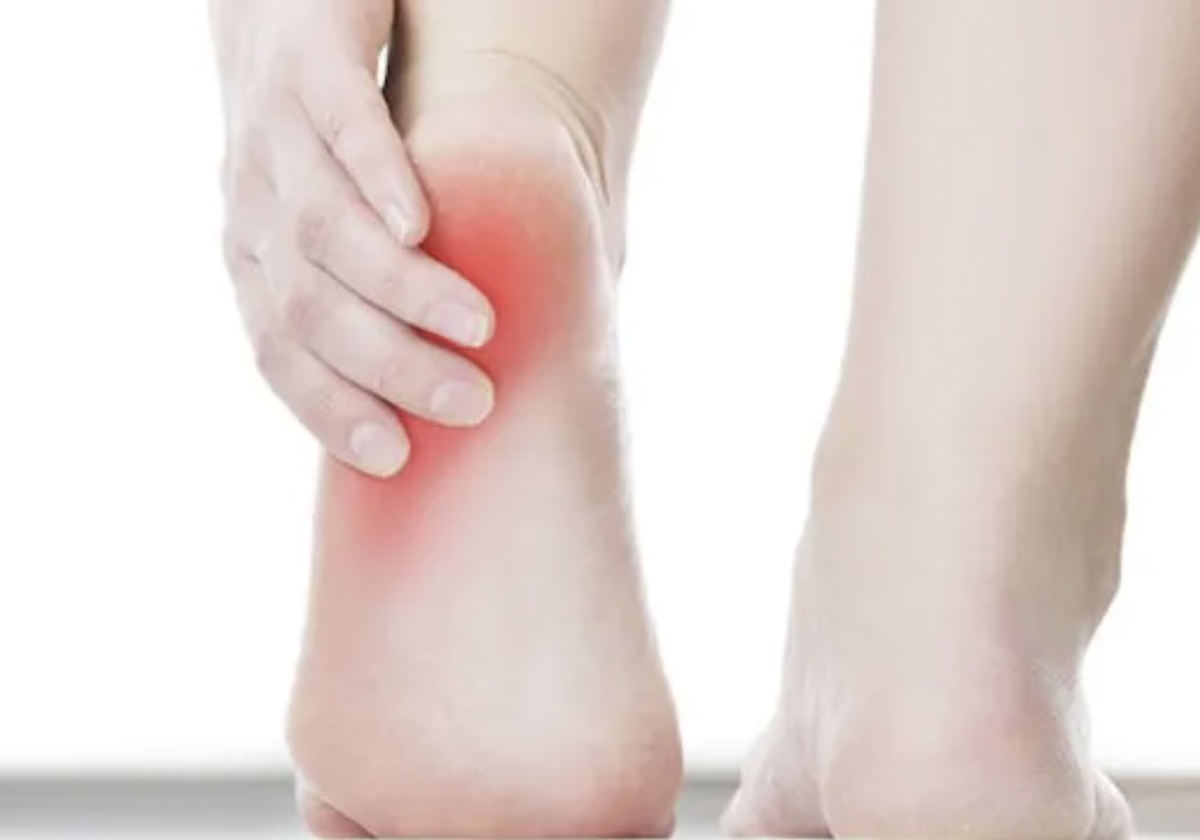
Heel pain is the most common of all foot complaints. An estimated 2% of all people in Australia suffer from heel pain (Plantar Fasciitis). This is completely different from Heel spurs – That’s right HS and PF are not the same injury
Plantar Fasciitis – inflammation of the fascia most likely due to excessively tension from lengthening or arch collapse .This constant tension (from many variable causes) leads to micro-tearing of the tissue
Heel Spurs – Calcification formation at the origin of the short toe flexor muscles that arise from the heel. Protective bursas can also form around the spur and lead to impingement pain
About 70 percent of patients with plantar fasciitis have a heel spur that can be seen on an X-ray. However, many patients without pain can also have a heel spur. The exact relationship between plantar fasciitis and heel spurs is not entirely understood.
Nerve Entrapments, Muscle Tendinopathy – especially of the long flexor tendons
Fat Pad Contusion , Fat Pad Atrophy
YOU MUST HAVE A DIAGNOSIS
(injuries are a lot easier to treat if you know what they are - otherwise people are just guessing - GET A SCAN
Symptoms
"I wake up in the morning and feel a sharp, stabbing pain, right in the centre of my heel. After a while the pain subsides and comes back as a dull ache..."
Most people experience pain in the heel with their first steps in the morning, after getting out of bed. It is presented by a sharp stabbing pain at the bottom or front of the heel bone. The pain varies in severity. In most cases, heel pain is more severe following periods of inactivity (e.g. early in the morning or after sitting for a long period).
This is due to the by- products of inflammation process pooling in the heel and not getting re-circulated back thru the correct paths – ie the lymph system) Thus you then stand and the inflammation is there – its like standing on a marble that is embedded in your heel
Over-stretching of the Plantar Fascia is more likely to happen if:
- you suffer from over-pronation (lowering of the arch when the foot lands)
- you stand or walk on hard surfaces for long periods (e.g. because of your job)
- you have put on some weight in recent months/years or you are pregnant
- the muscles and tendons in your feet and legs are tight