HealyourHeel
Knowledge = Power
🦶 Understanding Plantar Fasciitis
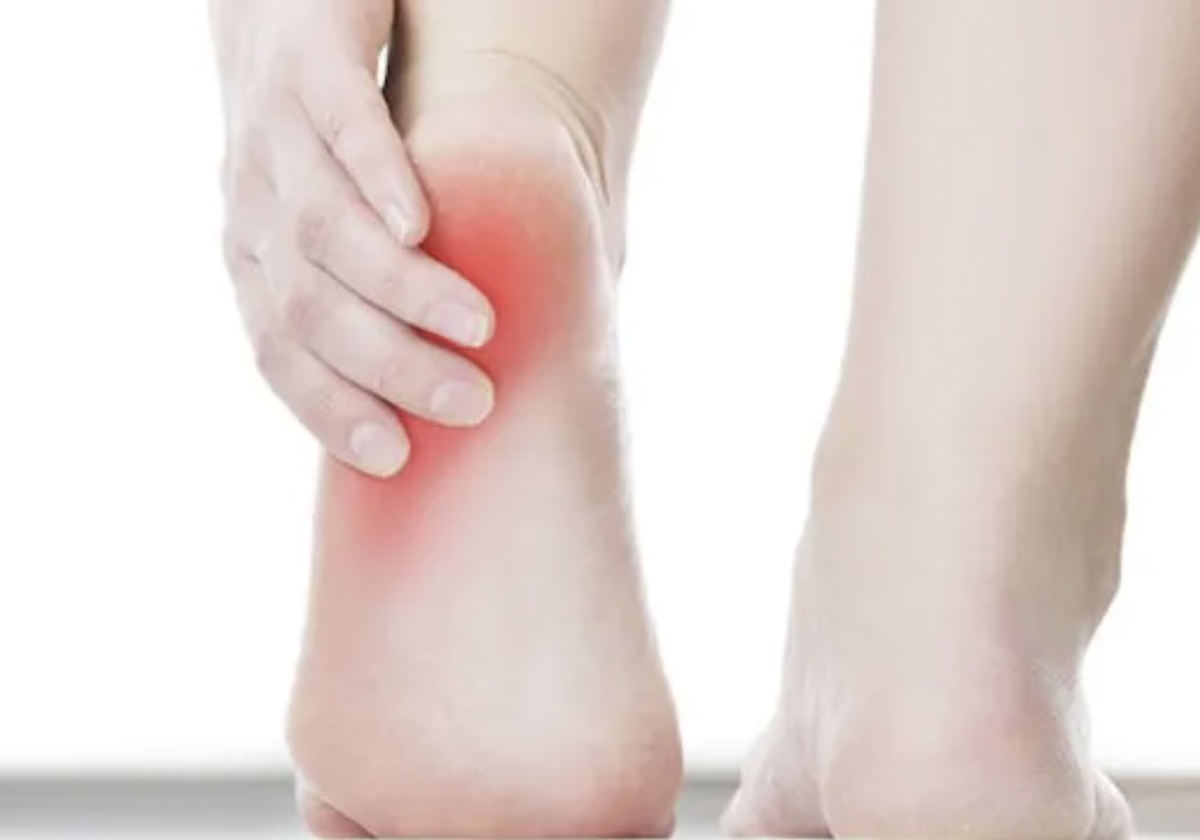
Definition: Plantar fasciitis is a common cause of heel pain, resulting from inflammation of the plantar fascia—the thick band of tissue connecting the heel to the toes.
🔍 Causes and Risk Factors
Overuse: Engaging in repetitive activities like running or standing for long periods can strain the plantar fascia.
Foot Mechanics: Flat feet, high arches, or abnormal walking patterns can increase stress on the fascia.
Age: Individuals between 40 and 60 years are more susceptible.
Obesity: Excess weight adds pressure on the feet.
Improper Footwear: Wearing shoes without adequate support or cushioning.
⚠️ Symptoms
Heel Pain: Sharp pain at the bottom of the heel, especially with the first steps in the morning or after periods of rest.
Pain After Activity: Discomfort that worsens after prolonged standing or exercise.
Swelling: Mild swelling at the heel.
🩺 Diagnosis
Physical Examination: Assessing foot structure and pressure points.
Imaging Tests: X-rays or MRIs may be used to rule out other conditions.
💡 Treatment Options
Conservative Approaches
Rest: Limiting activities that exacerbate pain.
Ice Application: Applying ice to reduce inflammation.
Stretching Exercises: Focusing on the Achilles tendon and plantar fascia.
Orthotics: Using custom or over-the-counter insoles for support.
Nonsteroidal Anti-Inflammatory Drugs (NSAIDs): To alleviate pain and swelling.
Medical Interventions
Corticosteroid Injections: For severe inflammation.
Physical Therapy: Targeted exercises to strengthen and stretch foot muscles.
Surgical Options
Surgical Release: In rare cases, surgery may be considered if conservative treatments fail.
🧠 Prevention Tips
Proper Footwear: Choosing shoes with good arch support and cushioning.
Weight Management: Maintaining a healthy weight to reduce foot strain.
Regular Stretching: Incorporating foot and calf stretches into daily routines.
Gradual Increase in Activity: Avoiding sudden increases in physical activity intensity.